Welcome to NuoLian Engineering Materials


NEWS
1. Road & Transportation Engineering
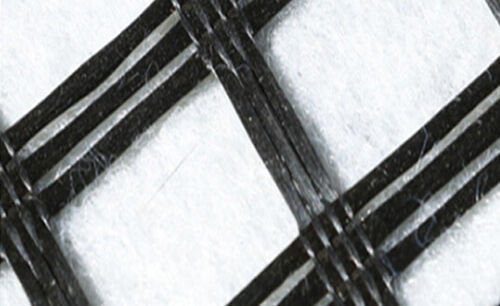
This represents the highest volume application for Composite Geogrids.
New Highways, National Roads & Municipal RoadsUsed for subgrade reinforcement over soft soils and silt to distribute heavy traffic loads and control differential settlement. It acts as a separation barrier between the subgrade and backfill materials, preventing the migration of fines and protecting the base course from erosion and undermining.
Road Widening, Rehabilitation & Asphalt Overlays (White-to-Black Conversion)Installed as an interlayer between old concrete pavements and new asphalt overlays. It effectively mitigates reflective cracking, minimizes surface tearing, reduces the required thickness of the asphalt layer, and substantially lowers overall lifecycle maintenance costs.
Railway & High-Speed Rail SubgradesProvides stabilization for soft railway subgrades and delivers robust layer separation within the structural bed. It is highly effective in reinforcing bridge approach embankments (abutment backfill) to prevent post-construction settlement and eliminate the "bridge-approach bump" defect.
Airport Runways & ApronsProvides base reinforcement for heavy-duty airfield pavements, maximizing resistance to permanent deformation under extreme loads. It isolates graded aggregate bases from the underlying native subgrade to maintain structural integrity.

2. Slope Stabilization & Geotechnical Protection
Rock Slopes & Cut-Slope RemediationCombines surficial reinforcement with ecological restoration. It secures topsoil, prevents landslides, and controls erosion. Used in conjunction with hydroseeding to achieve sustainable, green slope protection.
Mechanically Stabilized Earth (MSE) Retaining Walls & EmbankmentsLaid horizontally in structural lifts within the backfill to enhance the overall shear strength and stability of the soil mass, allowing for steeper slopes and significantly reducing the footprint required for earthworks.
Foundation Pit Support & Subway Excavation SlopesProvides robust reinforcement for temporary slopes and backfilled zones. It isolates structural backfill from native soils while supporting efficient subsoil drainage and filtration.
3. Hydraulic & Water Conservancy Engineering
River Levees & Reservoir DamsServes as a critical reinforcement layer within the dam body and a protective bedding beneath revetments. It acts as a structural cushion over geomembranes, preventing localized puncture and mechanical damage from the surrounding soil or rock fill.
Channel Realignment, Canal Linings & Eco-Hydraulic RevetmentsPrevents scour and erosion along canal banks while facilitating efficient filtration and subsoil drainage. It prevents subgrade soil washout and structural collapse, supporting sponge city designs and sustainable riparian linings.
Land Reclamation & Coastal EngineeringProvides crucial subgrade stabilization over tidal flats and soft marine clays. It serves as an erosion-resistant separation layer for coastal revetments and is engineered to withstand harsh marine environments and chemical attack from saltwater.
4. Environmental & Waste Management Engineering
Crucial for simultaneous containment barrier protection and drainage filtration.
Municipal Solid Waste (MSW) LandfillsDeployed as a high-strength protective buffer above and below primary geomembranes. It reinforces the basal soft foundation and functions within the final capping system to facilitate gas/liquid drainage and filtration, preventing catastrophic liner tearing and leachate migration.
Tailings Dams & Industrial Waste Storage YardsProvides structural reinforcement for tailings embankments and acts as a containment lining reinforcement at the base. It isolates industrial waste from the natural subgrade and optimizes rainwater routing to prevent dam breaches and liquefaction failures.
Wastewater Treatment Basins & Bioreactor PondsDelivers basal subgrade reinforcement and serves as a heavy-duty protective interlayer for containment geomembranes against puncture and localized stress concentration.
5. Municipal & Industrial Site Development
Logistics Hubs, Heavy-Duty Freight Yards & Parking LotsProvides extensive ground stabilization to reduce deep subgrade settlement and surface cracking under prolonged static and dynamic loading, allowing for a substantial reduction in the required thickness of expensive aggregate base layers.
Solar Farms & Wind Turbine Work PlatformsStabilizes foundations and access roads across challenging terrains, including mountainous regions and soft coastal wetlands, providing a level, high-bearing-capacity platform for heavy installation equipment.
Utility Tunnels & Urban Stormwater ManagementFunctions as a reliable separation and stabilization medium during backfilling operations for underground utility corridors and serves as a filtration layer within stormwater retention ponds and bioretention cells.
6. Mining & Specialized Engineering
Mine Reclamation & Quarry RestorationAnchors vegetation and retains engineered topsoil on steep, degraded rock faces and disturbed mining sites, preventing severe erosion and supporting ecological recovery.
Temporary Access Roads & Heavy Equipment Working PlatformsEnables rapid stabilization and mud-pumping control over unpaved, waterlogged, or low-bearing-capacity terrain, ensuring safe transit and operation for heavy drilling rigs and construction machinery.